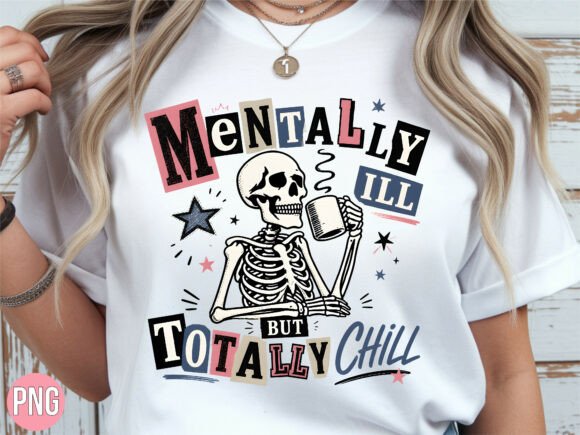
Mentally Ill but Totally Chill Skeleton: A Guide to Using This Premium Digital Design
In the world of digital art and Print on Demand (POD), finding a design that balances humor, relatability, and aesthetic appeal is often like searching for a needle in a haystack. The Mentally Ill but Totally Chill Skeleton graphic has emerged as a standout piece for creators looking to tap into the growing market of mental health awareness mixed with dark humor. However, simply downloading a file is not enough to guarantee success. Many creators overlook critical technical details that can make or break the final product quality.
This guide explores how to effectively utilize this premium digital design, highlighting common pitfalls and offering practical advice to ensure your creative projects meet professional standards. Whether you are a seasoned designer or a small business owner just starting out, understanding the nuances of high-resolution digital files is essential for maximizing value and customer satisfaction.
Understanding the Appeal and Utility
The concept behind the Mentally Ill but Totally Chill Skeleton resonates with a wide demographic. It speaks to the modern experience of managing internal struggles while maintaining a composed exterior. This duality makes it highly shareable and commercially viable for products like t-shirts, mugs, and stickers. For entrepreneurs, this design offers a ready-made asset that requires minimal modification, allowing for quick deployment across various sales channels.
However, the ease of access can lead to complacency. Because the file is marketed as "premium" and "ready-to-use," many buyers assume they can skip the preliminary checks. This assumption is the first step toward potential disappointment. A digital download is not a physical product; it is a set of data instructions that must be interpreted correctly by your software and printing hardware. Ignoring the technical specifications can result in pixelated prints, misaligned graphics, and unhappy customers.
Common Mistakes When Handling Digital Design Files
One of the most frequent errors creators make is neglecting to verify the file format and resolution before beginning their design work. The Mentally Ill but Totally Chill Skeleton comes as a PNG file with a transparent background at 300 DPI. While this sounds straightforward, issues arise when users attempt to open or edit the file with incompatible software.
- Ignoring Software Compatibility: Not all image viewers or basic editing tools support layers or transparency correctly. Using a program that flattens the image or adds a white background automatically defeats the purpose of a transparent PNG.
- Resizing Without Proportion: Stretching or compressing the image to fit a specific product template can distort the skeleton’s proportions, making the design look unprofessional.
- Overlooking Color Profiles: Screens display colors in RGB, while most printers use CMYK. Failing to account for this shift can result in printed colors that look duller or different than expected.
These mistakes do not just affect aesthetics; they impact efficiency. Time spent troubleshooting a blurry print or fixing a background issue is time taken away from marketing and growing your business. By addressing these technical aspects early, you streamline your workflow and ensure consistent quality.
How to Avoid Quality Issues in Print on Demand
To get the best results from your Mentally Ill but Totally Chill Skeleton design, start by verifying your tools. Ensure your design software supports PNG files with transparency. Programs like Adobe Photoshop, Illustrator, Canva, and Procreate are generally reliable, but always check your specific version’s capabilities. If you are using free or open-source software, test the import process with a small project first.
Next, respect the resolution. The file is provided at 300 DPI, which is the gold standard for high-quality printing. Do not upscale the image beyond its original dimensions, as this introduces pixelation. Instead, design your product layout so that the skeleton fits within its native resolution limits. If you need a larger print, consider whether the design allows for cropping or if you need to contact the creator for a vector version, though for this specific raster file, staying within the provided dimensions is key.
Another crucial step is checking the transparent background. Before sending your design to print, place the skeleton on a colored background in your design software. This visual check ensures that no stray white pixels or jagged edges remain around the skeleton. Clean edges are vital for professional-looking stickers and apparel prints.
Maximizing Versatility Across Products
The versatility of this design is one of its strongest assets. It works well on a variety of Print on Demand products, including:
- Apparel: T-shirts, hoodies, and tank tops benefit from the high-contrast nature of skeleton art.
- Accessories: Mugs, tumblers, and phone cases allow for close-up viewing, where detail clarity matters.
- Stationery: Stickers, greeting cards, and scrapbooks leverage the humorous and relatable theme.
- Home Decor: Pillows and wall art can feature the design as a focal point.
When adapting the design for different products, consider the placement and scale. For example, a t-shirt print may require a larger central placement, while a mug might need the design wrapped or centered differently. Always use mockups to visualize how the Mentally Ill but Totally Chill Skeleton will appear on the final product. This helps identify any potential issues with visibility or balance before you commit to production.
What to Check Before You Buy or Use
Before purchasing or deploying any digital design, take a moment to evaluate your needs. Ask yourself:
- Do I have the right software to handle PNG files with transparency?
- Am I familiar with the printing requirements of my chosen POD provider?
- Have I tested the file on a sample product to check for color accuracy and sharpness?
These questions help prevent costly mistakes. Remember, this is a digital download, meaning no physical item will be shipped. Once downloaded, the responsibility for proper usage lies with the creator. Taking the time to unzip the folder, inspect the file, and run a test print can save significant hassle later.
In conclusion, the Mentally Ill but Totally Chill Skeleton is a powerful tool for creative projects when used correctly. By avoiding common technical pitfalls and adhering to best practices for digital design, you can ensure high-quality results that resonate with your audience. Focus on precision, compatibility, and thoughtful application to make the most of this premium asset.