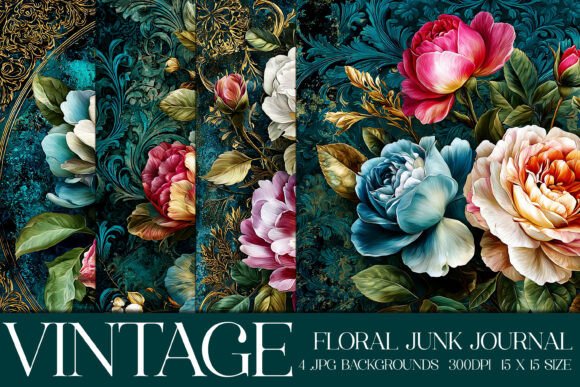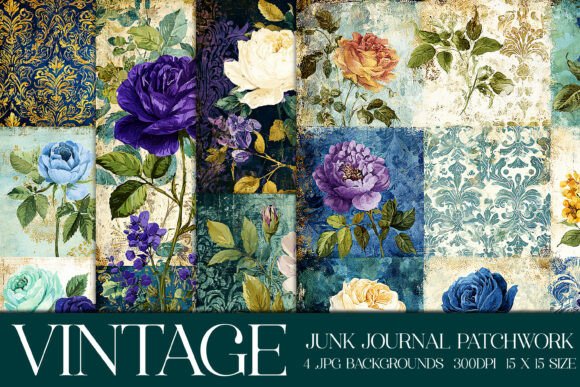
Junk Journal Patchwork Backgrounds S15: Strategic Design Assets for Vintage Aesthetics
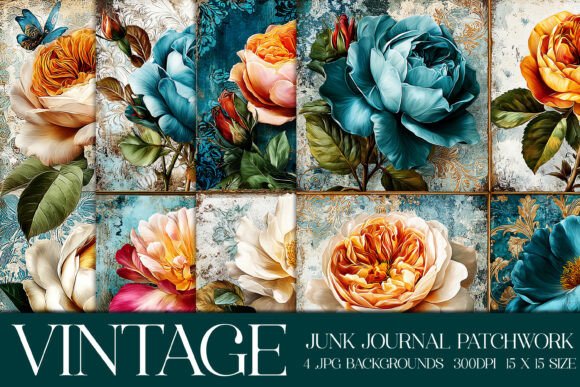
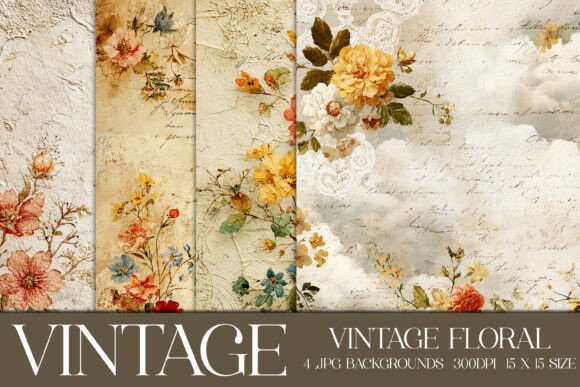
In the realm of digital creation and physical crafting, the choice of background is rarely a superficial decision. It sets the tonal foundation for communication, influencing how an audience perceives value, authenticity, and brand identity. Junk Journal Patchwork Backgrounds S15 represents a curated collection designed to bridge the gap between nostalgic charm and modern utility. This package offers four high-quality RGB .JPG files, each rendered at 300dpi with dimensions of 15×15 inches (4500×4500 pixels). For creators, entrepreneurs, and designers, these assets are not merely decorative; they are functional tools that can streamline production workflows while enhancing visual storytelling.
The strategic value of a vintage background lies in its ability to evoke emotion without overwhelming the primary message. Whether you are designing a social media advertisement, creating a custom tumbler, or assembling a complex scrapbook layout, the underlying texture must support rather than compete with your content. The patchwork style inherent in this collection provides a structured yet organic feel, ideal for projects requiring a sense of history, warmth, or artisanal quality.
Understanding the Technical Specifications and Quality
Before integrating any digital asset into your workflow, it is crucial to understand its technical limitations and capabilities. The Junk Journal Patchwork Backgrounds S15 are delivered as high-resolution JPG files. The 300dpi resolution is the industry standard for professional printing, ensuring that when these images are scaled down for cards, stickers, or sublimation prints, the details remain crisp and clear. The 15×15 inch square format is particularly versatile. It aligns perfectly with standard scrapbook paper sizes, making it an immediate fit for scrapbook background applications without the need for complex resizing or cropping that might degrade image quality.
For digital users, the 4500×4500 pixel resolution provides ample room for manipulation. You can zoom in to isolate specific textures for cellphone backgrounds or blog headers, maintaining clarity across various screen densities. The RGB color profile ensures that colors appear vibrant on screens, which is essential for web design projects, social media advertising backgrounds, and digital invitations. However, creators should note that while RGB is optimal for digital display, most professional printers can handle these files effectively, especially for home-based crafts like card making and sticker production.
Strategic Applications Across Industries and Hobbies
The versatility of these backgrounds allows them to serve multiple strategic purposes across different sectors. Here is how thoughtful integration can enhance specific projects:
- Brand Identity and Marketing: Small business owners selling handmade goods, such as candles, soaps, or vintage clothing, can use these floral backgrounds and patchwork textures to create cohesive social media posts. The country aesthetic appeals to demographics valuing authenticity and craftsmanship. Using a consistent printable background across Instagram stories or Pinterest pins helps establish brand recognition.
- Product Customization: For those involved in sublimation printing, these backgrounds are ideal for tumblers, garden flags, and t-shirt designs. The patchwork pattern adds depth to flat surfaces, transforming a simple mug or flag into a textured visual experience. The high resolution ensures that the print does not appear pixelated, preserving the perceived quality of the final product.
- Digital Content Creation: Bloggers and website owners can utilize these images as headers or section dividers. A vintage background can soften the starkness of a white webpage, guiding the reader’s eye and creating a more inviting reading environment. Similarly, these assets work well as overlays for video thumbnails or podcast cover art, adding a layer of sophistication.
- Personal Crafting and Scrapbooking: For hobbyists, the primary use is in scrapbook paper creation and junk journaling. The patchwork style mimics the look of collected ephemera, allowing crafters to build pages that look curated over time. This reduces the need to source individual vintage elements, saving hours of search time.
Decision-Making: When to Use Patchwork Styles
Choosing the right background is a exercise in restraint and intent. Not every project benefits from a busy or textured backdrop. To use Junk Journal Patchwork Backgrounds S15 effectively, consider the following decision-making framework:
Assess the Visual Hierarchy: If your primary content contains dense text or intricate graphics, a highly detailed patchwork background may cause visual clutter. In such cases, consider lowering the opacity of the background image or using it as a border element rather than a full-page fill. Conversely, if your design is minimal—such as a single quote on a card or a simple product photo—the rich texture of the patchwork provides necessary visual interest.
Align with Audience Expectations: The country and vintage aesthetic resonates strongly with audiences interested in heritage, sustainability, and handmade quality. If your brand or project targets a modern, minimalist, or tech-forward demographic, this style may feel disjointed. However, for markets focused on wellness, home decor, education, or artisanal goods, these floral backgrounds reinforce the desired emotional connection.
Evaluate Production Constraints: If you are producing physical items like cards or invitations, ensure your printer can handle the ink coverage required by detailed backgrounds. Darker or busier patterns may require higher-quality paper to prevent bleed-through. For digital-only uses, file size optimization becomes key. While the source files are large, exporting web-ready versions ensures faster load times for websites and better user experience.
Risks of Unintentional Design Choices
Using decorative assets without a clear strategy can lead to diluted messaging. A common pitfall is "texture overload," where the background competes with the foreground content. This often happens when creators select a background solely because it is aesthetically pleasing, without considering its functional role. To avoid this, always ask: Does this background support the message, or does it distract from it?
Another risk is inconsistency. If you use Junk Journal Patchwork Backgrounds S15 for one campaign but switch to a completely different aesthetic for the next, you may confuse your audience. Branding relies on repetition and familiarity. Therefore, it is advisable to plan a series of designs using these backgrounds to create a cohesive visual narrative over time. This approach maximizes the return on investment for the digital purchase.
Practical Tips for Implementation
To get the most out of this package, consider these practical steps:
- Create Templates: Set up master templates in your design software (such as Photoshop, Canva, or Procreate) with these backgrounds pre-loaded. This speeds up the creation process for future projects like printable paper sheets or social media posts.
- Experiment with Blending Modes: In digital design, try overlaying solid colors or other images using blending modes like "Multiply" or "Overlay." This can tone down the intensity of the patchwork pattern, creating a subtle, sophisticated look suitable for professional invitations or business cards.
- Test Print Samples: Before committing to a large run of sublimated products or printed scrapbook pages, print a small sample. Check for color accuracy and sharpness. Adjust brightness and contrast if necessary to ensure the final output matches your vision.
- Combine with Typography: Pair these vintage backgrounds with clean, modern fonts to create a striking contrast. Alternatively, use handwritten or serif fonts to enhance the nostalgic feel. The key is balance.
Long-Term Value and Resource Planning
Investing in high-quality digital assets like Junk Journal Patchwork Backgrounds S15 is a cost-effective strategy for long-term content creation. Unlike physical supplies, digital backgrounds can be reused indefinitely without degradation. They eliminate the need for constant repurchasing of paper stocks and allow for rapid iteration of designs. For entrepreneurs, this means faster time-to-market for new products. For educators and publishers, it means consistent, professional-looking materials for students and readers.
Furthermore, having a library of reliable backgrounds reduces decision fatigue. When you know you have a set of trusted, versatile assets ready to go, you can focus your energy on messaging, product development, and customer engagement. This efficiency translates directly into better business outcomes and higher creative satisfaction.
Thank you for visiting my small store. I appreciate your business. Don’t forget to visit my store for additional products. Please contact me if you need assistance, and have a wonderful day 🙂